

An ACL tear is one of the most common and frustrating knee injuries, especially for athletes and active individuals. The anterior cruciate ligament (ACL) is a key stabilizer in your knee that keeps it from shifting or giving out during movement. But when it tears, it can dramatically affect your mobility, performance, and confidence.
This post will break down ACL tear symptoms, causes, treatment options, and the recovery process.
What Is an ACL Tear?
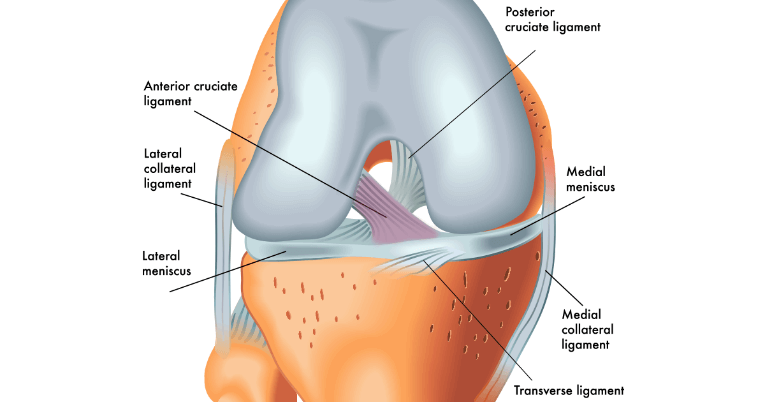
The ACL is one of four major ligaments in the knee. Its main job is to keep your shin bone (tibia) from sliding forward under your thigh bone (femur). An ACL tear occurs when this ligament is stretched beyond its limit and partially or completely ruptures.
Common Causes of ACL Tears
Most ACL injuries happen during sports or activities that involve:
- Sudden stops or pivots (soccer, basketball, football)
- Quick changes in direction
- Awkward landings from a jump
- Twisting motions of the knee
- Direct contact, like a collision or tackle
Non athletes can experience an ACL tear from slips, falls, or sudden missteps.
Signs and Symptoms of an ACL Tear
Wondering if you tore your ACL? Key ACL tear symptoms include:
- A “pop” sound at the moment of injury
- Immediate pain and swelling
- Instability or “giving out” of the knee
- Limited range of motion
- Difficulty bearing weight on the leg
If you experience these symptoms, a medical evaluation is essential.
ACL Tear Treatment: Surgery vs. Non-Surgical Rehab
One of the biggest questions patients ask is: Do I need surgery for an ACL tear?
- Surgery (ACL reconstruction): Often recommended for athletes or people who want to return to high-demand sports. The torn ligament is replaced with a graft.
- Non-surgical treatment: Many individuals can recover without surgery through structured physical therapy. This is especially effective for those with partial tears, lower activity demands, or strong supporting muscles.
Your treatment path depends on your goals, age, activity level, and overall knee stability.
The Role of Physical Therapy in ACL Tear Recovery
No matter what treatment path you choose, physical therapy is the cornerstone of ACL rehabilitation. A tailored ACL rehab program typically includes:
- Early recovery phase: Reducing pain and swelling, restoring knee motion
- Strength training: Building up the quadriceps, hamstrings, and hip muscles for stability
- Neuromuscular re-education: Improving balance, coordination, and movement control
- Sport-specific drills: Preparing athletes for safe return to play
- Injury prevention strategies: Reducing risk of re-injury with proper movement patterns
Research shows that patients who commit to physical therapy recover faster and more fully.
How Long Does ACL Recovery Take?
Recovery depends on several factors, including whether you have surgery, your fitness level, and consistency with rehab. On average:
- Non-surgical rehab: 3–6 months of structured therapy
- Post-surgery recovery: 6–12 months before returning to full sport participation
With the right physical therapy program, patients can safely rebuild strength and return to their normal activities.
If you have suffered a torn ACL, Respire’s physical therapists can help you get back to the life you love. Call Respire Physical Therapy at the Falls Church Location (703-671-1871) or the Annandale Location (571-369-6728) to schedule an appointment with one of our skilled Physical Therapists today! Click here to request an appointment online and we will contact you as soon as possible.

Tags: washingtondc, acl pain, health blog, choosept, post operative care, arlingtonva, acl tear, alexandriava, return to sport, acl injury, pt education, sport injury, prehabilitation, fallschurchva, acl reconstruction, ptworks, movement is medicine, annandaleva, evidence based practice, Physical Therapy, painfreeliving, anterior cruciate ligament pain, physical therapist